Transferring a firearm from one person to another is a serious responsibility. Whether you are selling, gifting, or otherwise transferring ownership of a gun, it’s important to understand the legal requirements involved.
A gun transfer occurs when ownership of a firearm changes from one person to another.
Transfers may occur in situations such as:
Private sales between individuals
Gifting a firearm
Transferring a firearm to a family member
Estate or inheritance transfers
Transfers between residents of different states
Any time ownership changes, a legal transfer has occurred. Understanding what is required for that transfer depends on several factors.
Federal Law
Federal Requirements for Gun Transfers
Under federal law, firearms dealers must conduct background checks before transferring firearms to buyers. However, federal law treats private transfers differently. Whether a background check or dealer involvement is required depends largely on state law and the specific circumstances of the transfer.
Federal law generally prohibits transferring a firearm to someone who:
Is prohibited from possessing firearms
Is not a resident of your state (with certain exceptions)
Is under the legal age required for the firearm type
Interstate transfers often require involvement from a federally licensed dealer (FFL). Because federal and state rules intersect, it is important to verify both before completing a transfer.
State Laws
State Laws Vary Significantly
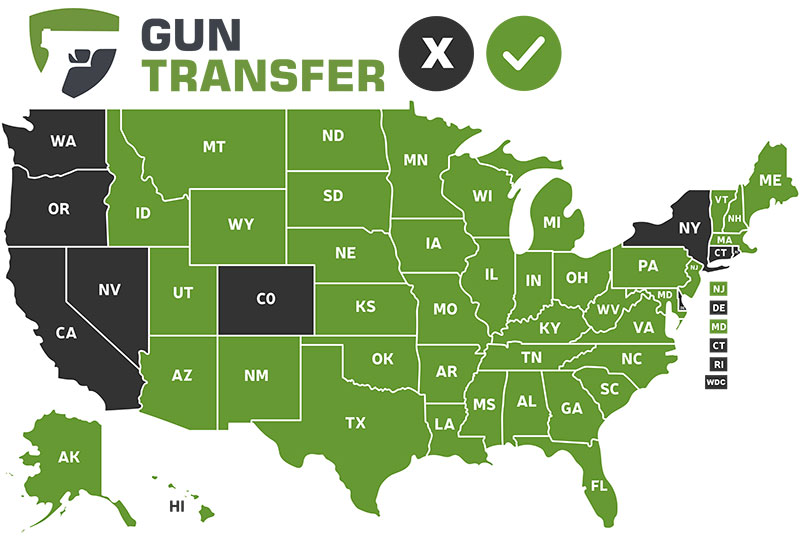
Gun transfer laws differ widely by state.
Some States Require
All private transfers to go through an FFL
Mandatory background checks for private sales
Waiting periods
Registration or reporting
Other states allow:
Private party transfers without dealer involvement
Optional documentation
No waiting period
Because of these differences, always review your state’s current laws before transferring a firearm.
While requirements vary, most private firearm transfers follow a structured process.
1
Confirm State and Federal Requirements
Verify whether an FFL is required, confirm if a background check must be completed, review residency rules, and check any waiting period requirements.
2
Verify Identity
Confirm the buyer’s government-issued photo ID, verify residency, and ensure identification matches the person present.
3
Confirm Eligibility
Review state requirements, use a lawful background check process if required, and follow FFL procedures where mandated.
4
Create a Bill of Sale
Document the transfer with legal names, date, firearm make/model/serial number, purchase price, and signatures of both parties.
5
Retain Your Records
Keep a copy of signed documentation to establish date of transfer, identity of the buyer, firearm details, and agreement between both parties.
FFL Requirements
When Is an FFL Required?
A federally licensed firearms dealer (FFL) may be required when:
The transfer crosses state lines
State law mandates dealer processing
The firearm type triggers additional requirements
Even when not required, some private parties choose to complete transfers through an FFL for added formality. Always check your state’s current regulations before proceeding.
Background Checks
Do You Need a Background Check for a Private Gun Sale?
This depends on state law.
In Some States
Allow private party transfers without dealer involvement.
In Other States
Private party sales do not require background checks.
Because requirements differ, review your state’s current laws before completing a transfer.
Avoid these common errors. Adding structure reduces uncertainty and helps protect both parties.
Failing to check state laws
Ignoring residency requirements
Skipping documentation
Transferring to someone you suspect may be prohibited
Failing to retain records
Taking the time to follow proper procedures reduces uncertainty.
208
Transfers Stopped For Safety Thanks To Gun Transfer!
Platform
How Gun Transfer Helps
Gun Transfer is a private compliance platform designed to support responsible private firearm transfers.
Identity Verification Tools
Digital Bill of Sale Creation
Secure Electronic Signatures
State-Based Guidance
Lifetime Record Storage
We do not replace legal requirements and do not advocate legislation. Our goal is to provide structured tools that help individuals follow applicable laws.
Support
Frequently Asked Questions
Is it legal to transfer a gun privately?
In many states, private transfers are legal. However, some states require dealer involvement or background checks. Always check your local laws.
Can I transfer a gun to a family member?
Family transfers may be subject to different rules depending on your state. Some states allow intra-family transfers without dealer processing, while others require formal procedures.
Do I need a bill of sale?
While not always required, a bill of sale is strongly recommended to document the transfer.
How long does a transfer take?
The time required depends on state law and whether dealer involvement or a background check is required.
What information should be included in documentation?
Names of both parties, date, firearm details (make, model, serial number), purchase price if applicable, and signatures of both parties.
Start Your Transfer the Right Way
Understanding how to transfer a gun legally helps protect both parties and ensures compliance with applicable regulations. Before completing your next private sale:
Review your state’s laws
Verify identity
Document the transfer
Maintain secure records
Gun Transfer helps you complete private firearm transfers responsibly and with clarity.
This article is provided for informational purposes only and should not be considered legal advice. Firearm laws change frequently, and regulations may vary depending on local circumstances. Always consult current federal, state, and local laws or a qualified legal professional before buying, selling, or transferring a firearm.
GunTransfer helps firearm owners complete private firearm transfers responsibly while helping buyers and sellers remain compliant with applicable firearm laws.