A private firearm transfer occurs when ownership of a firearm is transferred between individuals outside of a retail gun store purchase. This complete guide explains everything you need to know about legal and responsible private transfers.
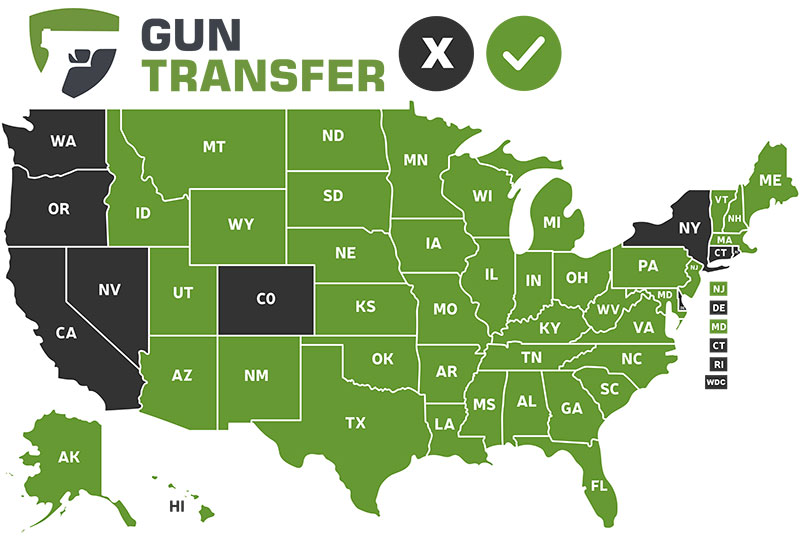
Private firearm transfers are legal in many states, but requirements differ widely. Some states allow private resident-to-resident transfers without dealer involvement and do not require background checks for certain private sales. Other states require all transfers to go through a licensed firearms dealer (FFL), require background checks, impose waiting periods, or require specific documentation.
Federal law prohibits transferring a firearm to someone known or reasonably believed to be prohibited
Interstate transfers must go through a licensed firearms dealer (FFL)
Federal age requirements apply to all transfers
Because laws vary significantly by state, verifying your state’s requirements is essential
Background Checks
Are Background Checks Required ?
Background check requirements depend on state law.
In Some States
All firearm transfers require dealer processing and a background check
In Other States
Private resident-to-resident sales may not require a background check
Dealer processing is optional
Private individuals do not have direct access to NICS. Gun Transfer does not conduct official NICS background checks and does not store background check reports. When background checks are conducted through licensed dealers, we receive only the transfer status (approved or not approved).
FFL Requirements
When Is an FFL Required for a Private Transfer
A Federally Licensed Firearms Dealer (FFL) is required in several situations:
An FFL is required when:
Interstate transfers (between residents of different states)
States with universal background check laws
Certain regulated firearm categories
When voluntarily choosing dealer processing
When an FFL is involved, required federal paperwork is completed, the dealer submits the background check, and any required waiting period applies. Gun Transfer does not replace legally required dealer processing.
Quick Facts
Federal Laws at a Glance
Interstate Transfers
FFL Required
All interstate transfers must go through a licensed dealer.
Prohibited Persons
Federal Law
Transferring to someone known or believed to be prohibited is illegal.
Always Apply
Allowed
Federal age restrictions apply to all firearm transfers.
Step-by-Step
How to Complete a Responsible Private Transfer
Even where not legally mandated, responsible sellers often take these additional structured steps.
1
Confirm State Residency
Verify both parties are residents of the same state for private transfers.
2
Verify Identification
Check government-issued identification for both buyer and seller.
3
Determine FFL Requirements
Determine whether FFL processing is required in your state or situation.
4
Confirm Eligibility
Ensure no reason exists to believe the buyer is a prohibited person.
5
Create a Bill of Sale
Document the transfer with a written bill of sale including all details.
6
Retain Documentation
Retain all documentation securely for future reference.
While not always required by law, documentation is strongly recommended. A private firearm transfer record typically includes:
Record Should Include
Buyer’s full legal name
Seller’s full legal name
Date of transfer
Firearm make, model, and serial number
Purchase price (if applicable)
Signatures of both parties
Digital Advantages
Timestamped records
Secure storage
Encrypted access
Long-term availability
Cannot be lost or damaged
Gun Transfer provides secure digital bill of sale generation and structured recordkeeping to support responsible private firearm transfers.
Know the Difference
Private Transfer vs Retail Purchase
Retail Purchase
Requires background check
Requires dealer paperwork
May include waiting period
Private Transfer
May not require dealer involvement (depending on state)
May not require background check (depending on state)
Documentation often optional but recommended
Avoid
Common Mistakes
Avoid these common errors and Adding structure reduces uncertainty and helps protect both parties.
Ignoring state-specific requirements
Skipping identity verification
Failing to document the transfer
Overlooking interstate transfer rules
Relying solely on verbal agreements
208
Transfers Stopped For Safety Thanks To Gun Transfer!
Platform
How Gun Transfer Helps
Gun Transfer provides tools to help private parties structure firearm transfers responsibly.
Identity Verification
Secure Digital Bill of Sale
Electronic Signatures
Encrypted Record Storage
Structured Transfer Documentation
We do not replace legally required FFL processing or background checks. We do not access or store background check reports. Our platform supports responsible private firearm transfers within existing legal frameworks.
Support
Frequently Asked Questions
Can I transfer a firearm privately in my state?
Many states allow private transfers, but requirements vary. Always verify your state’s current laws.
Is a background check required for private firearm transfers?
Some states require background checks for all transfers. Others do not. Check your state’s regulations.
Can I transfer a firearm to someone in another state?
No. Interstate transfers must be processed through a licensed dealer.
Is documentation required?
Some states require documentation. Even when not required, documentation is generally recommended.
Does Gun Transfer store background check information?
No. Gun Transfer does not view or store background check reports. We receive only the transfer status when dealer processing occurs.
Complete Your Private Firearm Transfer Responsibly
Before completing a private firearm transfer:
Review state & federal requirements
Confirm dealer involvement
Verify identity
Create documentation
Retain secure records
Gun Transfer helps private parties complete firearm transfers clearly, responsibly, and with structured documentation.
This article is provided for informational purposes only and should not be considered legal advice. Firearm laws change frequently, and regulations may vary depending on local circumstances. Always consult current federal, state, and local laws or a qualified legal professional before buying, selling, or transferring a firearm.
GunTransfer helps firearm owners complete private firearm transfers responsibly while helping buyers and sellers remain compliant with applicable firearm laws.