Transferring a firearm is not just a transaction — it is a responsibility. Whether you are selling, purchasing, or gifting a firearm, taking structured steps helps ensure compliance with the law, promotes clarity between parties, and protects both buyer and seller.
responsible Gun Transfers? What Does "Responsible" Mean?
A responsible firearm transfer involves more than simply exchanging payment and handing over a firearm.
Understanding applicable state and federal laws
Verifying the identity of the other party
Confirming legal requirements are met
Properly documenting the transfer
Retaining records for future reference
Responsibility reduces uncertainty and promotes lawful ownership.
Why It Matters
Why Responsibility Matters in
Private Gun Sales
Private firearm sales are legal in many states. However, laws vary widely.
Private firearm sales are legal in many states. However, laws vary widely.
Confusion about ownership
Incomplete documentation
Misunderstandings between parties
Potential legal exposure
Responsible transfers help:
Establish the date ownership changed
Confirm who was involved
Record firearm details
Provide clear documentation
Even when certain steps are not legally mandated, many private sellers choose to act responsibly by adding structure to the process.
Step 1
Start with Understanding Your
State's Laws
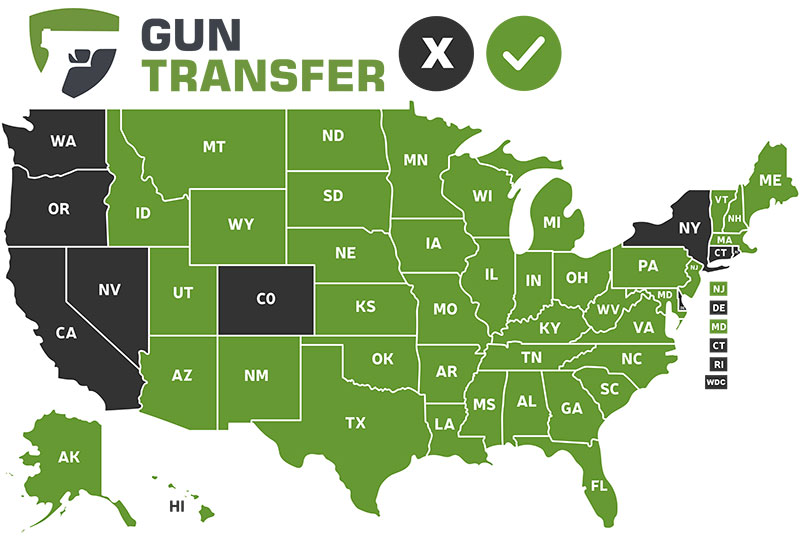
Responsibility begins with knowledge. Gun laws differ significantly by state.
Dealer (FFL) processing
Mandatory background checks
Waiting periods
Other states allow private party transfers without dealer involvement. Before completing a transfer, always confirm your state’s current legal requirements.
One of the most important steps in a responsible transfer is confirming the identity of the other party.
Confirm residency
Prevent fraud
Ensure documentation matches the individual
Taking time to verify identity adds structure and accountability to private transfers. Gun Transfer includes built-in identity verification tools to help private parties complete transfers responsibly.
step 3
Understand When Background Checks Apply
In some states, private firearm transfers must be processed through a licensed dealer, which includes a background check. In other states, private sales may not require dealer involvement.
If your state requires a background check:
The transfer must be conducted through an FFL
The official screening is handled by the dealer
Gun Transfer does not conduct official NICS background checks and does not replace legally required dealer involvement. Responsible transfers mean following the law as it applies in your state.
step 4
Always Document the Transfer
Documentation is one of the clearest signs of a responsible transfer. A proper transfer record typically includes:
Buyer’s name
Seller’s name
Date of transfer
Firearm make, model, and serial number
Signatures of both parties
Even in states where documentation is not required, maintaining a written record is often recommended. Gun Transfer generates a secure digital bill of sale that both parties sign electronically and retain.
step 5
Maintain Secure Records
Responsibility does not end when the firearm changes hands.
Keeping secure records helps:
Establish proof of ownership change
Clarify the timeline of the transfer
Provide documentation if ever needed
Digital storage offers advantages over paper-only documentation, including:
Secure encryption
Timestamped records
Long-term access
Gun Transfer stores documentation securely within your account.
Benefits
Responsibility Benefits Both Buyer and Seller
A responsible transfer protects everyone involved.
For Sellers
Clear proof of transfer date
Structured documentation
Identity verification support
For Buyers
Documented proof of purchase
Organized transfer records
Secure access to documentation
Taking structured steps promotes clarity and accountability.
Federal Law
Responsible Transfers Are About Clarity, Not Politics
Gun Transfer is not a political platform. We do not advocate legislation. We provide tools that help private individuals complete firearm transfers responsibly within existing legal frameworks.
Responsibility means:
Following the law
Verifying identity
Documenting the transaction
Maintaining records
Clear steps create clear outcomes.
Avoid
Common Mistakes in Private Transfers
Responsible sellers avoid:
Skipping identity verification
Ignoring state requirements
Failing to document the sale
Relying solely on verbal agreements
Transferring to someone they reasonably believe may be prohibited
Adding structure reduces risk and uncertainty.
208
Transfers Stopped For Safety Thanks To Gun Transfer!
Platform
How Gun Transfer Supports Responsible Transfers
Gun Transfer provides:
Identity verification tools
Secure digital documentation
Electronic Signatures
State-based guidance
Lifetime record access
Our platform helps private parties structure their transfer clearly and responsibly. We intentionally limit unnecessary data handling and do not store background check reports. When background checks are required and conducted through licensed dealers, we receive only the transfer status — not the underlying screening data. Responsibility includes protecting personal information as well as following legal requirements.
Start Your Transfer the Responsible Way
Before completing a firearm transfer:
Review your state’s requirements
Confirm whether dealer involvement is required
Verify identity
Create clear documentation
Retain secure records
Gun Transfer helps private parties complete firearm transfers responsibly and confidently.
This article is provided for informational purposes only and should not be considered legal advice. Firearm laws change frequently, and regulations may vary depending on local circumstances. Always consult current federal, state, and local laws or a qualified legal professional before buying, selling, or transferring a firearm.
GunTransfer helps firearm owners complete private firearm transfers responsibly while helping buyers and sellers remain compliant with applicable firearm laws.